
Jun 12, 2026 | By
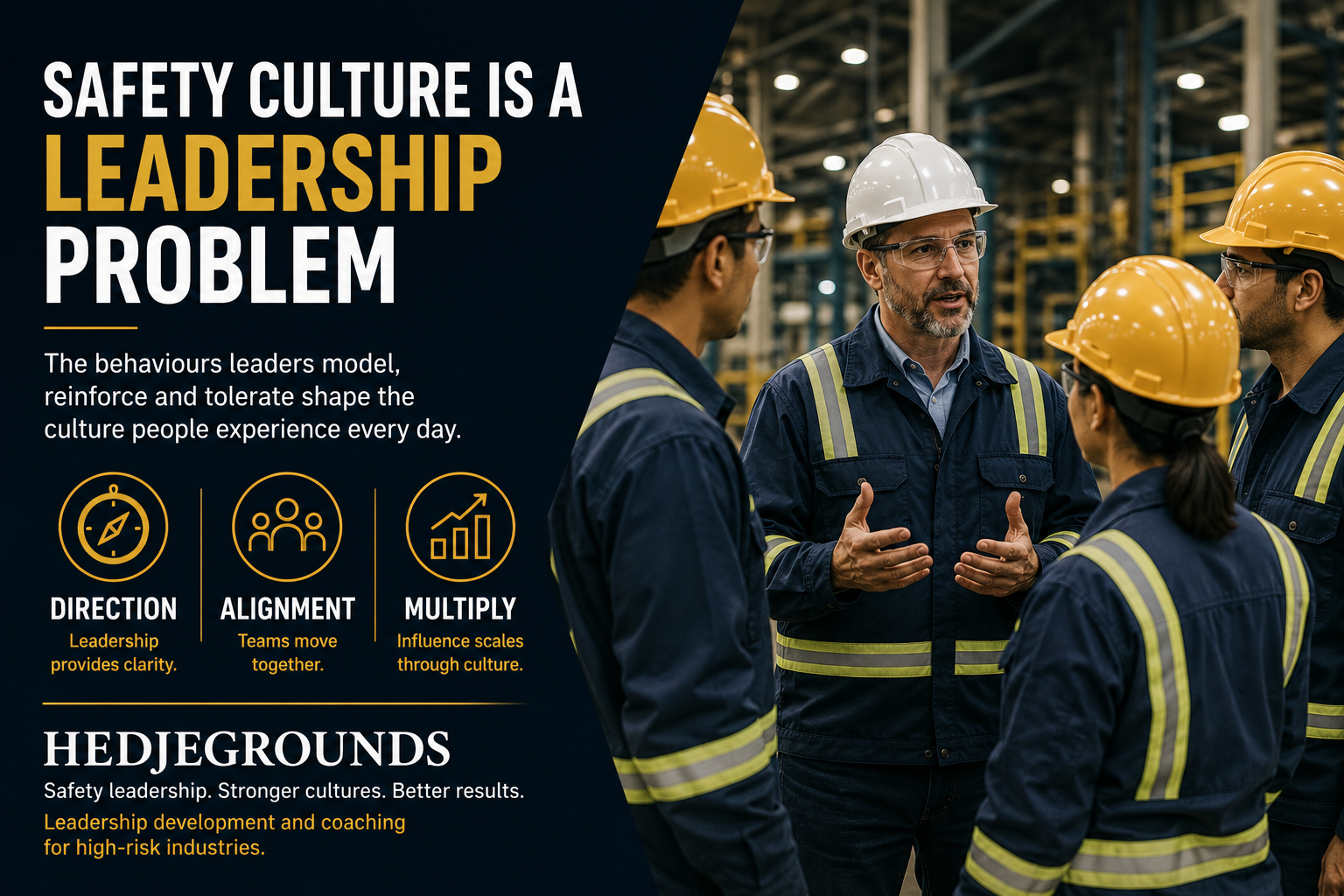
When organisations experience a serious safety incident, the immediate focus is often on the actions of the people involved. What happened? Who made the mistake? Which procedure was not followed?
These are important questions, but they can sometimes distract us from a more fundamental truth. The behaviours we see on the front line are often a reflection of the behaviours that leaders demonstrate every day. In other words, safety culture is ultimately a leadership issue.
Looking Beyond the Incident
For decades, safety practitioners have highlighted the relationship between behaviour and safety performance. Various studies have suggested that a large proportion of incidents involve unsafe acts or unsafe decisions at the point of work. While the exact percentages are debated, the underlying principle remains important: what people do matters.
The challenge is that frontline behaviour does not emerge in isolation.
People learn what is acceptable from the environment around them. They observe how leaders react to production pressures, shortcuts, near misses, mistakes and bad news. Over time, these observations become unwritten rules that shape how work is actually performed.
The result is culture.
Every Team Has Its Own Culture
One of the mistakes organisations often make is treating culture as something that exists only at a corporate level. In reality, every team develops its own culture – every shift, every department, every operating unit.
Even within organisations that share the same policies, systems and procedures, performance can vary dramatically between teams. Some teams consistently manage risks well, communicate openly and support one another. Others struggle with shortcuts, weak discipline and recurring incidents.
The difference is rarely the procedure. More often, it is leadership. Culture is created not only by what leaders do, but especially by how they react when things go wrong.
What Leaders Really Create
Leaders do not directly create accidents, nor do they directly create safe behaviour. What leaders create are the conditions that influence behaviour. When leaders demonstrate discipline, curiosity, accountability and genuine concern for people, those qualities tend to spread through the workforce.
When leaders tolerate shortcuts, ignore poor planning or fail to challenge unsafe decisions, those behaviours spread just as quickly. The front line is constantly watching. People pay far more attention to what leaders do than what leaders say.
The reality is simple. Leadership behaviour shapes frontline behaviour. Frontline behaviour shapes outcomes.
The Power of Alignment
One of the most interesting ideas in safety culture transformation is that leadership influence behaves much like a vector. Every action a leader takes has both direction and magnitude. Some actions are small. Others have enormous influence. Some move the organisation towards stronger safety performance. Others move it away from it.
The challenge is that organisations rarely have just one leader. They have supervisors, managers, department heads and executives all sending signals to the workforce. When those signals point in different directions, progress becomes slow and confusing.
When they become aligned, something powerful happens. The organisation begins moving together. Alignment acts as a force multiplier, messages become consistent, expectations become clear, people understand what matters and cultural change accelerates.
Moving from A to B
Most organisations can clearly describe the culture they want. They want robust risk assessments, strong supervision, disciplined execution of high-risk work, people looking out for one another, open reporting and a willingness to learn from mistakes.
The challenge is bridging the gap between the current reality and the desired future state. This is where many transformation programmes struggle. They focus heavily on systems and processes while underestimating the importance of leadership behaviour.
But none of them are as influential as the daily interactions between leaders and their teams.
Transforming Culture Through Leadership
The most successful safety culture transformations rarely begin with the workforce; they begin with leaders. Not because leaders have all the answers, but because leaders have the greatest influence. When leaders become more intentional about their behaviour, more visible in the field, more curious about operational reality and more consistent in their messaging, the workforce notices. Over time, behaviours begin to change.
The Leadership Question
Many organisations invest significant resources trying to change workforce behaviour. A useful question is whether they are investing the same energy in changing leadership behaviour because if culture is the result of what leaders consistently model, reinforce and tolerate, then perhaps the most important question in safety culture transformation is not:
“What do we need workers to do differently?”
But rather:
“What do leaders need to do differently?”
By: David Turberfield
Sep 14, 2026 | By
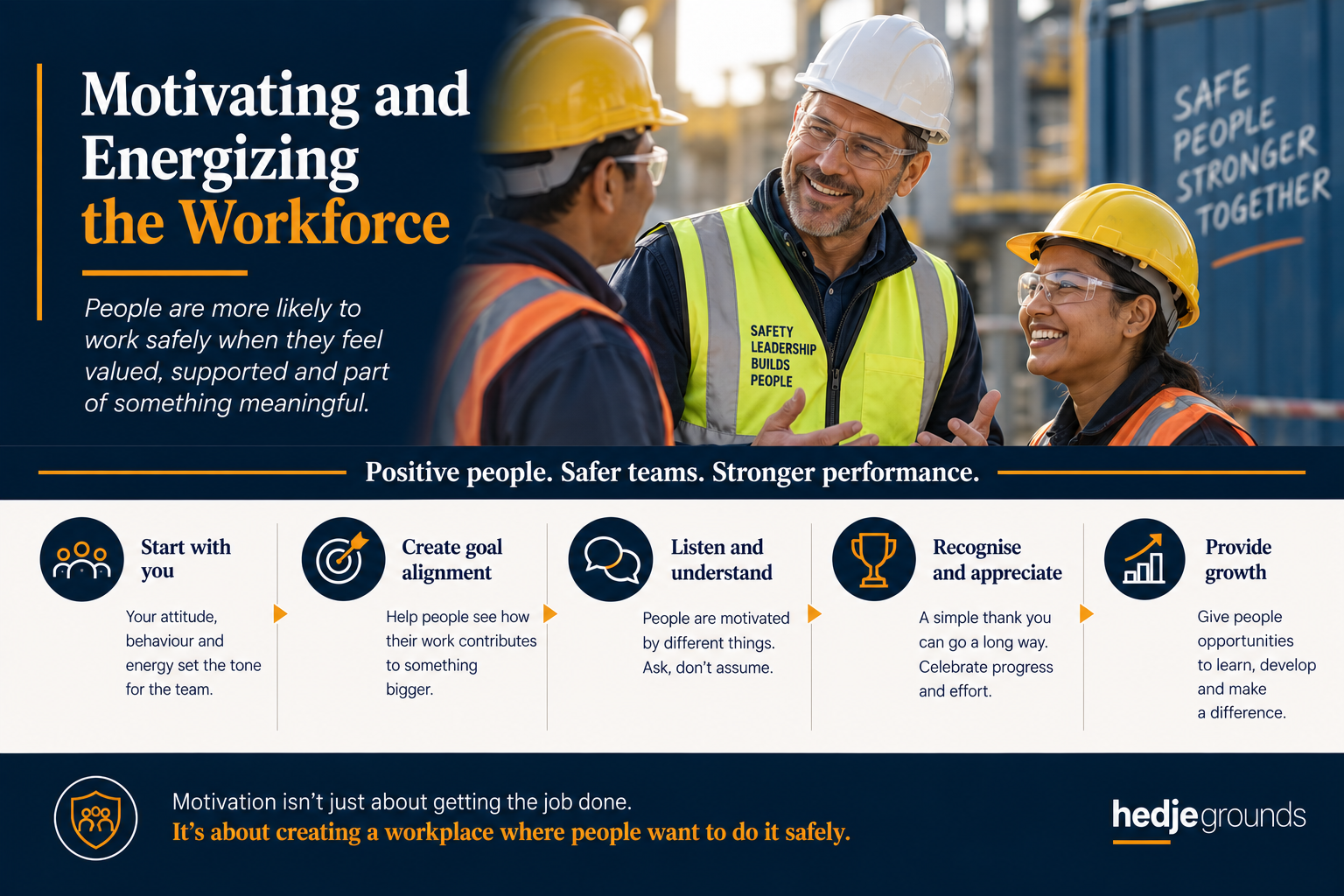
Motivation matters in safety – but leaders cannot simply motivate people on demand. The real opportunity is to create an environment where people feel respected, trusted and willing to contribute, combining motivation with the competence and judgement needed to work safely.
Read More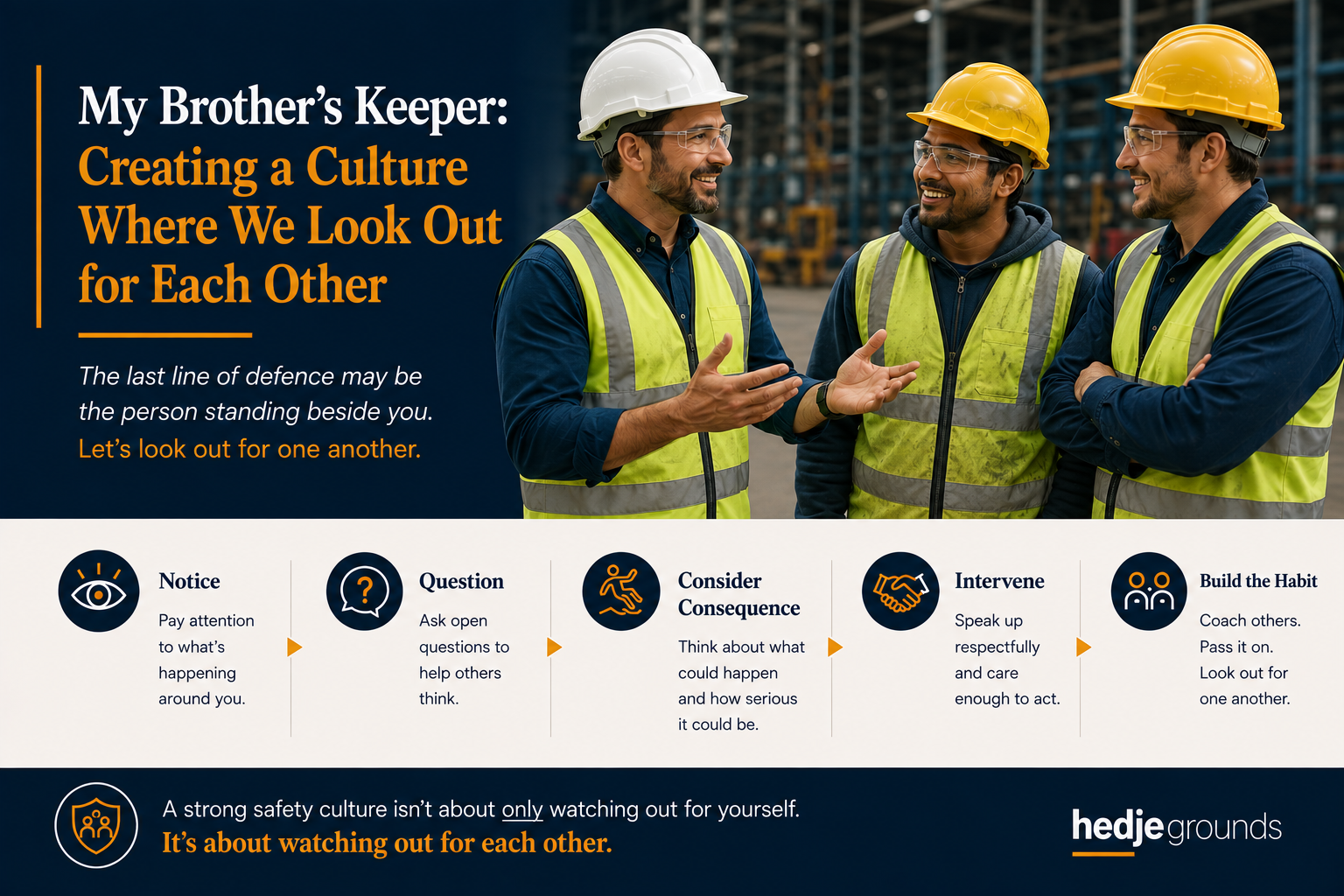
Aug 27, 2026 | By
A strong safety culture is built when people look out not only for themselves, but for one another. Safety coaching helps turn everyday observations and interventions into opportunities to build awareness, confidence and shared responsibility for safety.
Read More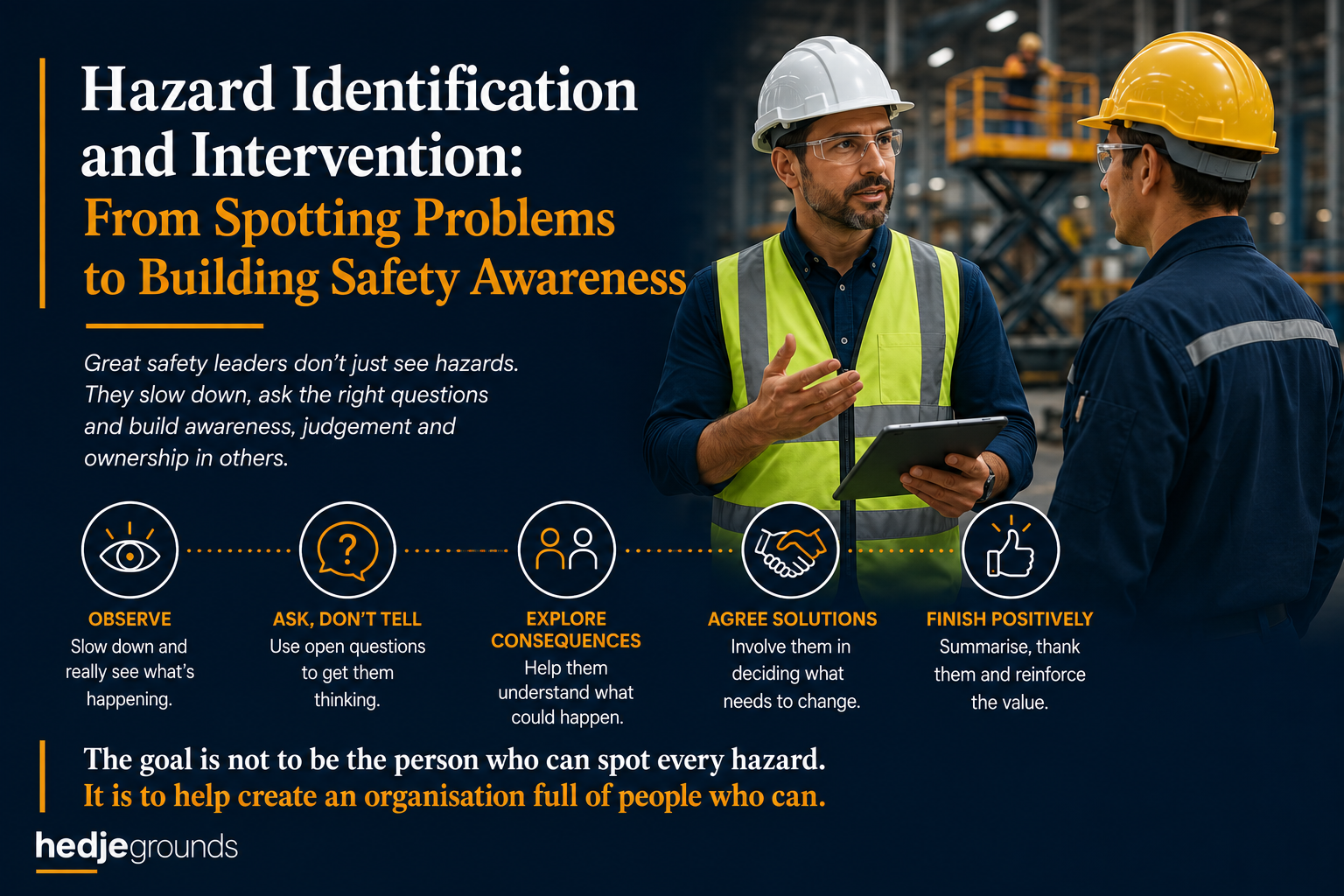
Aug 11, 2026 | By
Effective safety leadership is about more than spotting hazards. By slowing down, asking the right questions and helping people understand consequences and develop their own solutions, leaders can turn everyday safety interventions into opportunities for learning, ownership and stronger safety culture.
Read More