
Jul 06, 2026 | By
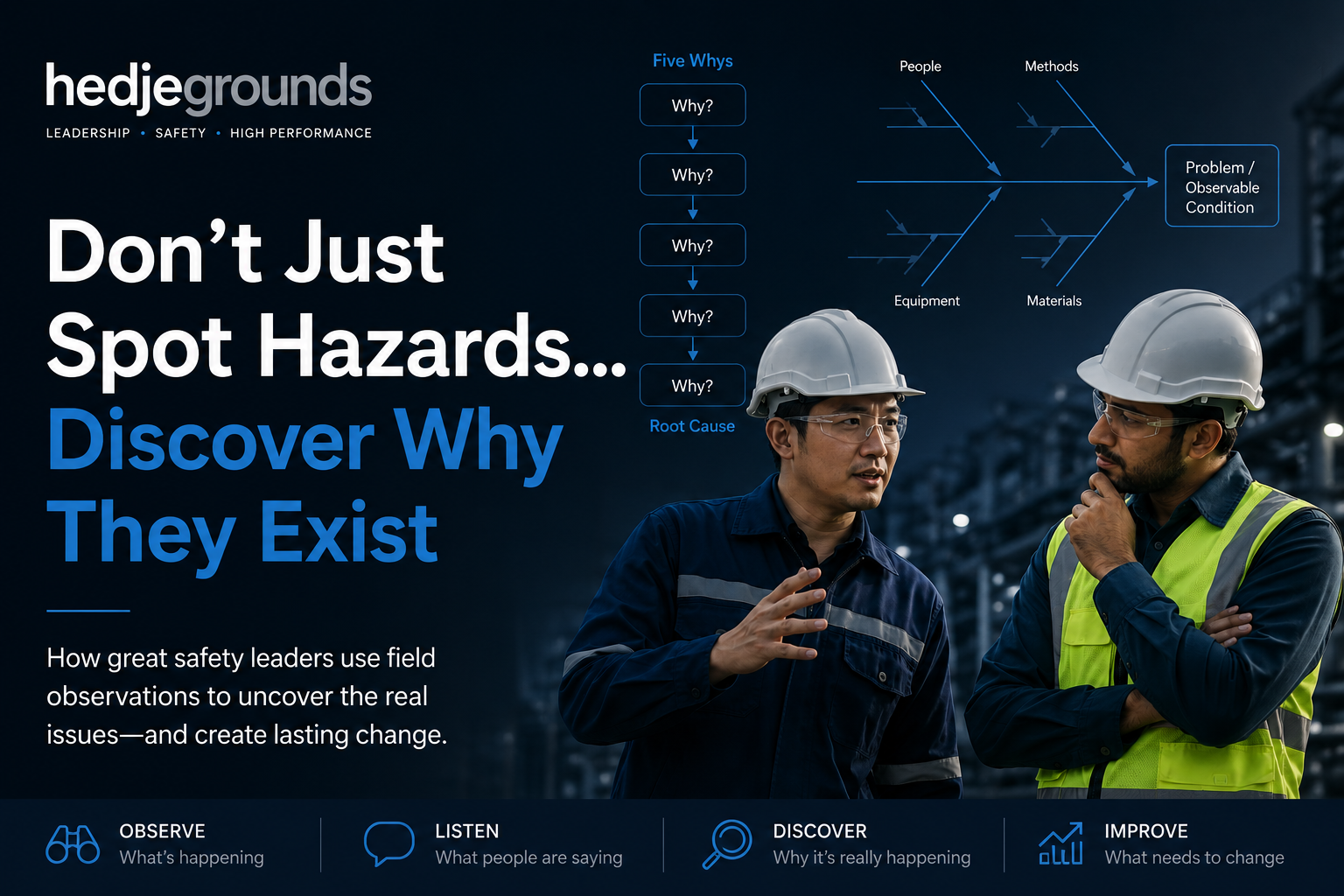
Most safety observations end the same way.
A worker puts on their safety glasses. A trip hazard is removed. A machine guard is replaced. A permit is completed correctly. The immediate risk has been addressed, everyone moves on, and the observation is recorded as another successful intervention.
But has anything really changed?
The best safety leaders understand that every unsafe condition and every unsafe behaviour is simply the visible symptom of something much deeper. Correcting today’s hazard is important, but unless we understand why it existed in the first place, we are likely to encounter it again tomorrow.
The real value of a safety observation lies not in identifying the hazard – it lies in uncovering the system that created it.
Every Observation Tells a Story
It is tempting to view unsafe acts and unsafe conditions as isolated events. In reality, they rarely are.
People generally come to work intending to do a good job. When they take shortcuts, bypass procedures or work around safety controls, there is usually a reason. Likewise, when equipment is poorly maintained, housekeeping standards deteriorate or permits are incomplete, these often reflect wider organisational issues rather than individual failings.
Every observation provides a valuable opportunity to learn something about the organisation itself. It may reveal:
In other words, the hazard is often only the final link in a much longer chain of events.
Looking Beyond the Obvious
One of the simplest but most powerful habits a safety leader can develop is curiosity. Instead of asking:
“Who made the mistake?”
ask:
“What made this make sense to the person at the time?”
That single shift in thinking changes the entire conversation.
A stack of chemical drums left outside may initially appear to be poor housekeeping. However, by asking a series of thoughtful questions, we may discover that warehouse capacity was exceeded because production schedules changed, procurement continued ordering at normal levels, and marketing had delayed a product launch. What initially appeared to be a local safety issue may actually reflect shortcomings in planning and communication across several departments.
The observation has become a window into how the organisation functions.
Listen Carefully to What People Tell You
During site visits I often hear comments such as:
“We’ve always done it this way.”
“We didn’t have time.”
“Nobody ever explained why we needed to do it differently.”
“People only wear their PPE when visitors are on site.”
Comments like these are easy to dismiss. In reality, they are often some of the most valuable information you will collect all day. They reveal attitudes, beliefs and cultural norms that would never appear in a procedure or an audit checklist.
The role of a safety leader is not simply to record these observations, but to understand what they reveal about the organisation’s culture.
Don’t Let Paperwork Become Fiction
Many organisations have excellent procedures. They also have excellent risk assessments, permits to work and safe systems of work. The question is whether these documents describe how work is actually carried out.
There is often a significant gap between work as imagined – how managers believe work happens – and work as done – how people actually perform the task under real operating conditions.
When observations reveal this gap, the objective should not be to criticise the workforce. Instead, it should prompt leaders to ask whether procedures remain practical, realistic and aligned with operational reality.
Good documentation should support people in working safely – not become something they complete simply to satisfy an audit.
Coaching Rather Than Policing
This is where coaching makes such a significant difference. Traditional inspections often focus on identifying faults. Coaching focuses on understanding.
Instead of immediately instructing someone what they should have done differently, effective safety leaders ask questions such as:
These conversations create learning rather than compliance. People are far more likely to support improvements when they have helped uncover the underlying issues themselves.
Creating Lasting Improvement
Removing today’s hazard protects people today. Understanding why it existed protects people tomorrow. This is why the most effective organisations use safety observations as opportunities for organisational learning rather than simply compliance monitoring.
Each observation becomes another piece of evidence helping leaders understand how work is really performed, where systems are supporting people, and where they are unintentionally creating risk. Over time, these conversations build something far more valuable than an impressive observation count.
They build trust.
They strengthen leadership.
They create a culture where people feel safe to speak openly about the challenges they face before those challenges become incidents.
The next time you conduct a safety observation, don’t stop when you’ve identified the hazard.
Pause.
Ask another question.
Then another.
Because every hazard has a story – and understanding that story is where lasting improvement begins.
By David Turberfield
Sep 14, 2026 | By
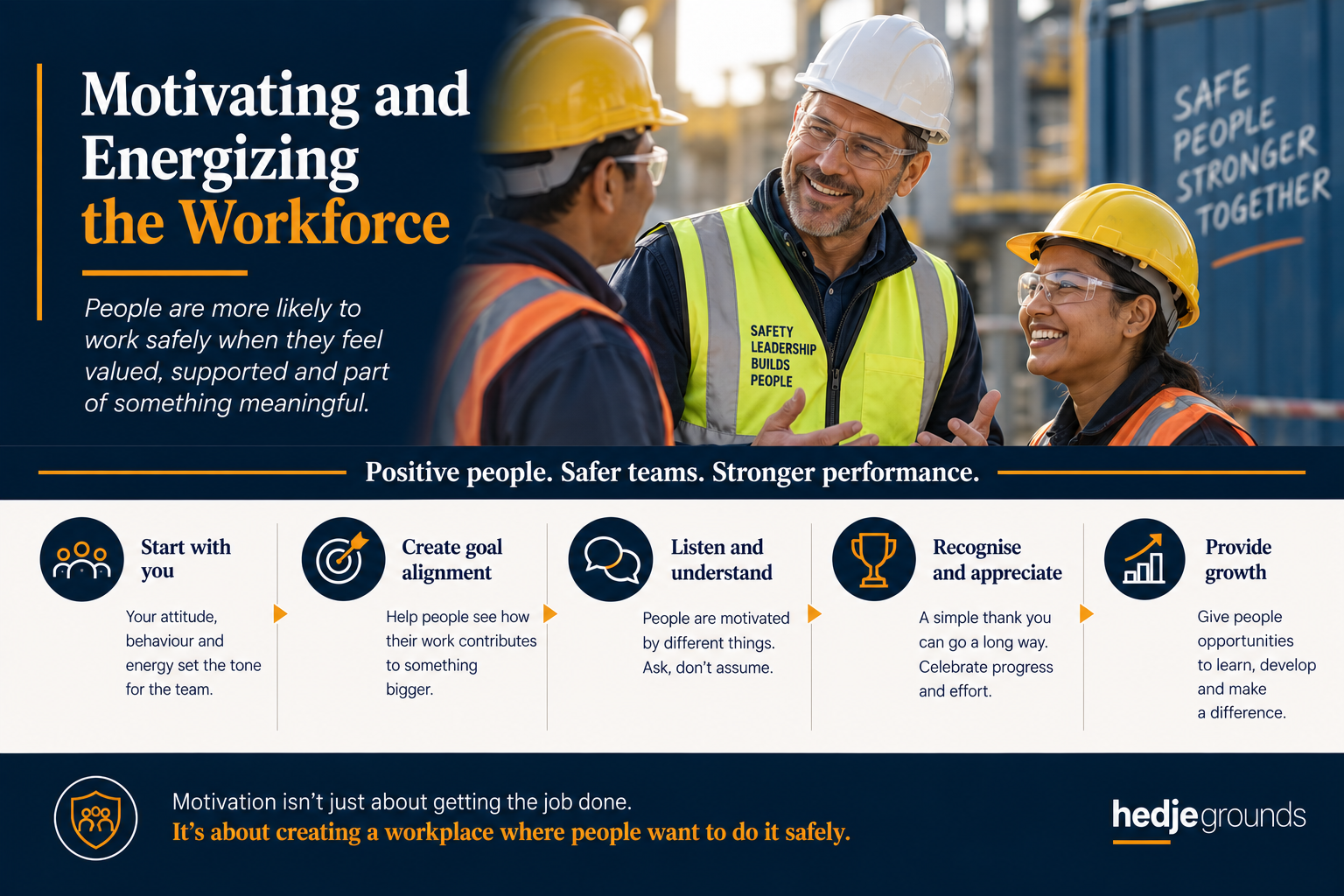
Motivation matters in safety – but leaders cannot simply motivate people on demand. The real opportunity is to create an environment where people feel respected, trusted and willing to contribute, combining motivation with the competence and judgement needed to work safely.
Read More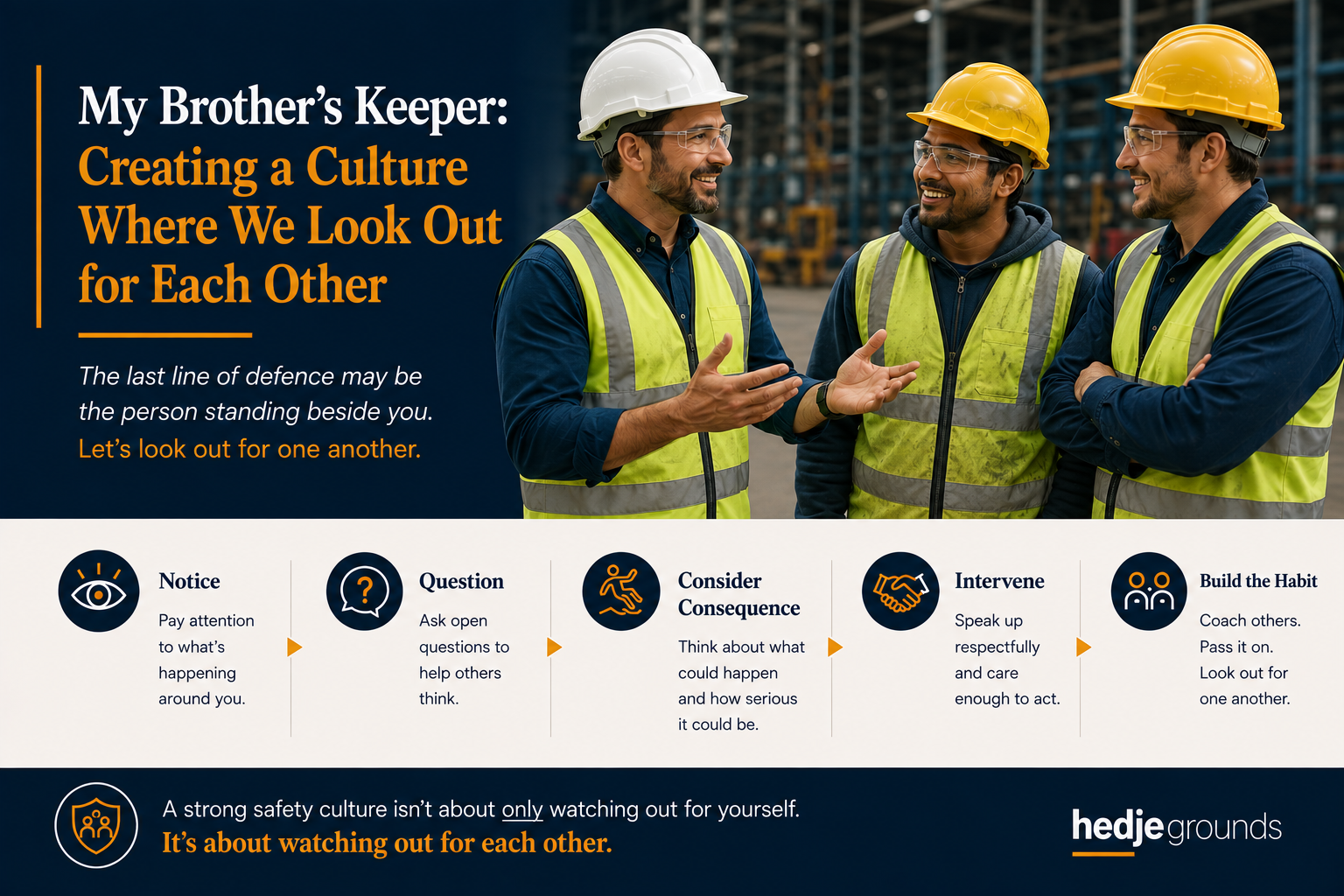
Aug 27, 2026 | By
A strong safety culture is built when people look out not only for themselves, but for one another. Safety coaching helps turn everyday observations and interventions into opportunities to build awareness, confidence and shared responsibility for safety.
Read More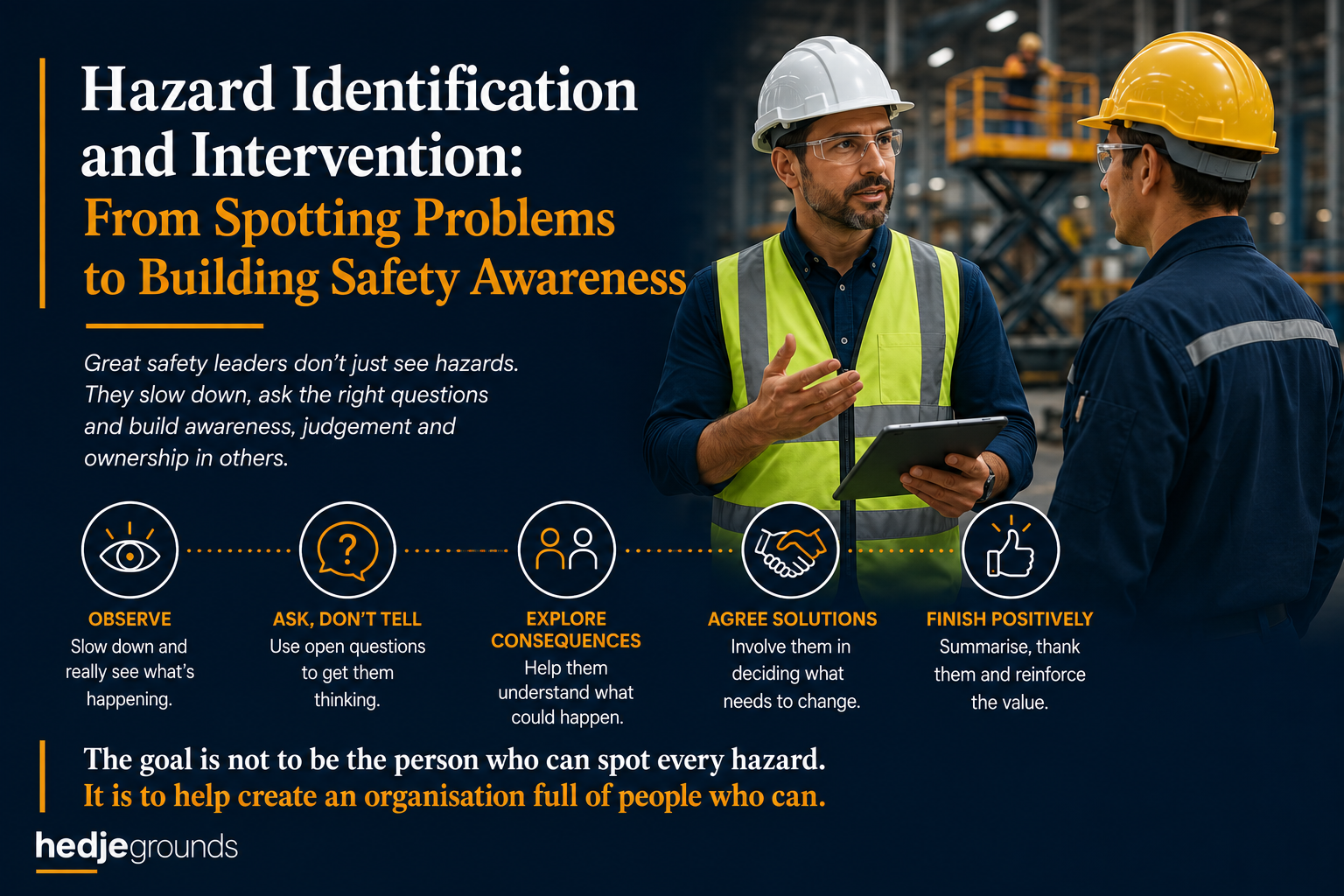
Aug 11, 2026 | By
Effective safety leadership is about more than spotting hazards. By slowing down, asking the right questions and helping people understand consequences and develop their own solutions, leaders can turn everyday safety interventions into opportunities for learning, ownership and stronger safety culture.
Read More