
May 20, 2026 | By
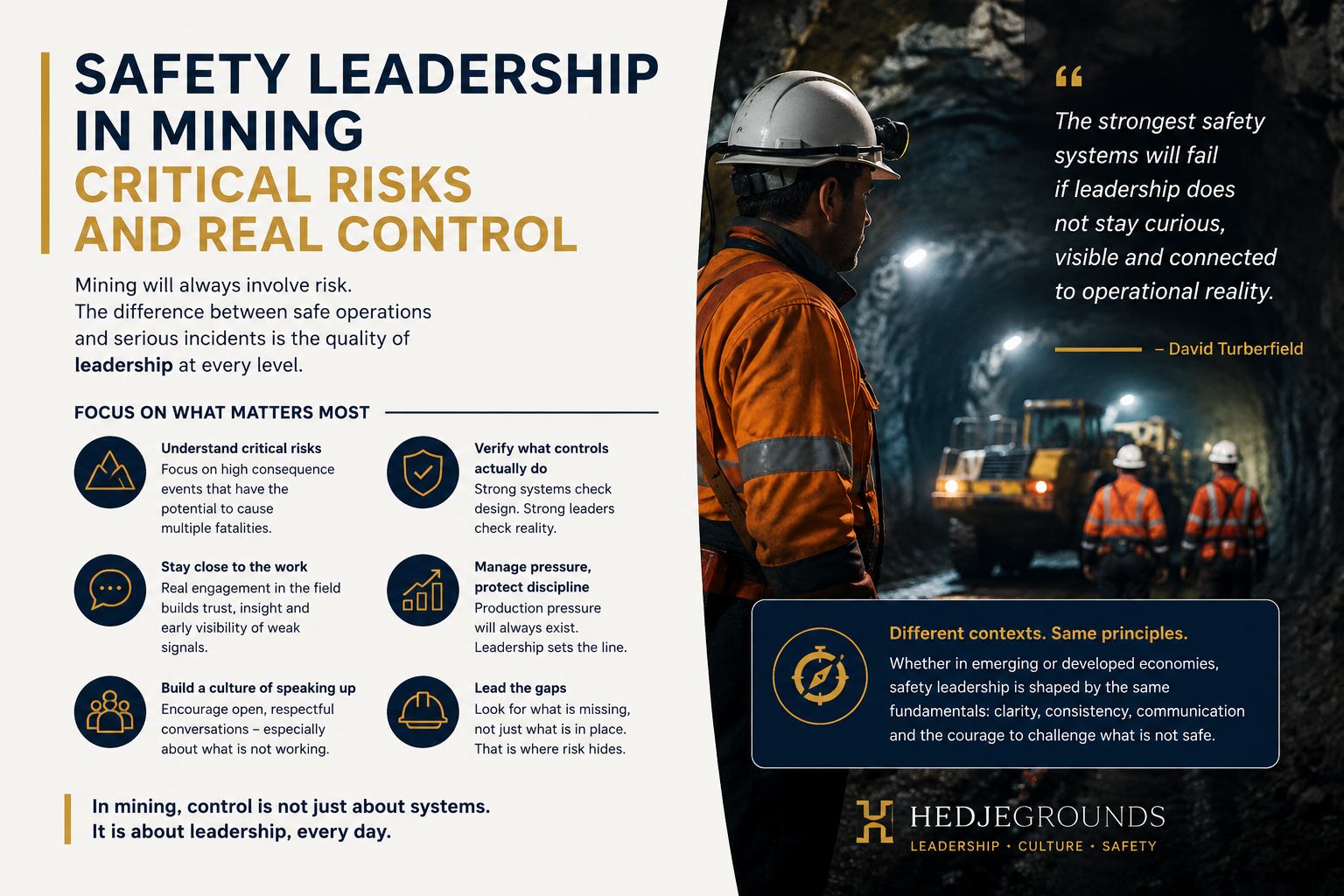
Mining has always been one of the world’s most demanding industries. Even with advances in engineering, automation, monitoring systems and operational controls, mining environments still contain the potential for catastrophic harm when critical risks are not effectively understood and managed. And yet, when major incidents occur, the root causes are often surprisingly familiar – not simply technical failures but leadership failures. Failures in communication, learning, field engagement and in recognising weak signals before they become serious events. Over the years, I have increasingly come to believe that critical risk management in mining is as much a leadership challenge as it is a technical one.
One of the difficulties organisations sometimes face is treating all safety risks as though they are broadly similar – they are not. A minor hand injury and a catastrophic ground failure do not belong in the same psychological category simply because both appear on a safety dashboard. Critical risks are those with the potential to cause multiple fatalities or life-altering consequences which in mining may include:
Particularly in underground environments, the margin for error can become very small very quickly. This creates a very different leadership challenge from traditional compliance-focused safety management.
Diane Vaughan’s work following the Challenger disaster introduced the concept of the “normalisation of deviance” – where organisations gradually become accustomed to increasing levels of risk exposure because nothing bad has happened yet. Mining operations can be especially vulnerable to this phenomenon. Small deviations slowly become accepted:
This rarely happens because people are reckless. In many cases, highly experienced operational teams simply become accustomed to working successfully around elevated risk conditions until eventually the system runs out of luck.
Many organisations now have sophisticated critical risk management frameworks such as bowties, critical control verification systems, fatal risk standards, permit systems, and detailed operational procedures. These are of course important, but documentation alone does not create safety. One of the recurring challenges in high-risk industries is the gap between “work as imagined” and “work as actually performed”.
Professor Erik Hollnagel and others working within resilience engineering have written extensively about this distinction. Senior leaders and corporate functions often see the organisation through procedures, reporting systems and presentations but frontline operational teams experience the organisation very differently. Real work involves:
The further leadership becomes removed from operational reality, the harder it becomes to see where critical controls may already be weakening.
One of the strongest indicators of safety culture maturity is often the quality of leadership engagement in the field. Not symbolic leadership visibility or carefully staged site tours, but real engagement. Leaders who ask thoughtful questions, listen carefully, remain curious, and genuinely seek to understand operational pressures learn far more about critical risk exposure than formal reporting systems alone can provide.
In many major incidents, warning signs existed long before the event itself. The issue was not absence of data but that the organisation had gradually stopped hearing what the system was trying to say.
Mining operations in rapidly developing regions often face additional complexity. Growth can occur extremely quickly so production demands increase, infrastructure develops rapidly, workforce capability evolves unevenly, contractor management becomes more difficult, and operational maturity may develop at different speeds across sites. At the same time, many emerging economies also possess highly capable technical talent, strong operational resilience and a deep practical understanding of mining environments. The challenge is therefore rarely about competence alone. More often, it involves consistency, leadership alignment, operational discipline, communication across multiple layers, and ensuring critical controls remain robust during periods of rapid change and growth. These are fundamentally leadership and culture challenges.
It is relatively easy for organisations to appear safety-focused during stable operating conditions. The real test comes during production pressure, operational disruption, cost constraints, leadership transitions, or periods of uncertainty. This is when organisational priorities become visible. At such times people observe what leaders pay attention to, what gets tolerated, what gets rewarded, and what gets ignored. Critical risk management is ultimately shaped less by slogans and more by daily operational behaviour.
The strongest mining leaders I have encountered over the years tend to possess a combination of operational knowledge, humility, technical respect, and curiosity. They resist the temptation to believe that seniority automatically provides complete visibility into operational reality. They understand that systems drift, risks evolve, operational pressures change, and weak signals matter. Most importantly, they continue engaging and listening.
In high-risk environments, the quality of leadership attention can have very real consequences. The best mining leaders do not assume that silence means safety. They keep asking, keep listening and keep looking for the weak signals others may have learned to live with.
Written by David Turberfield
Sep 14, 2026 | By
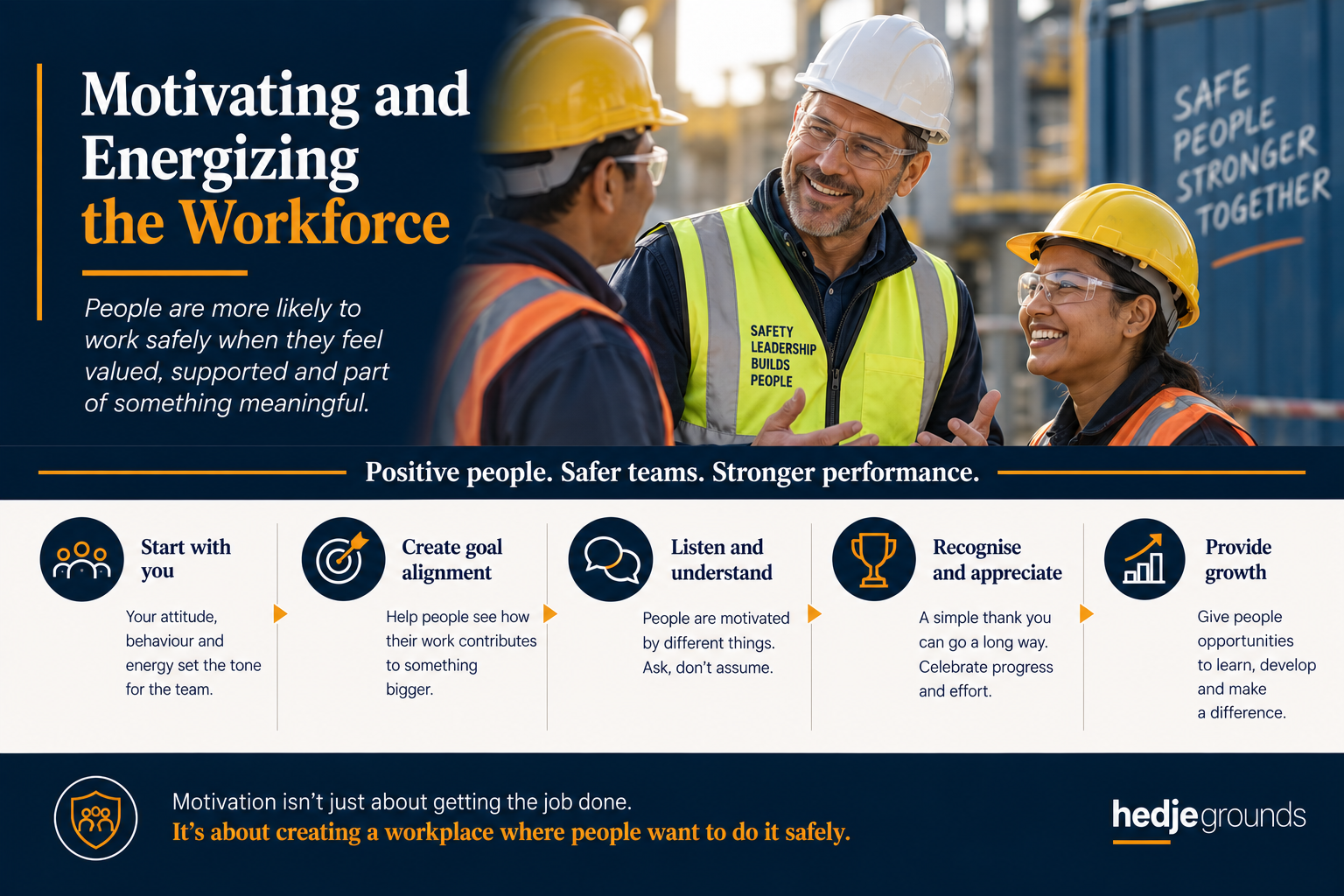
Motivation matters in safety – but leaders cannot simply motivate people on demand. The real opportunity is to create an environment where people feel respected, trusted and willing to contribute, combining motivation with the competence and judgement needed to work safely.
Read More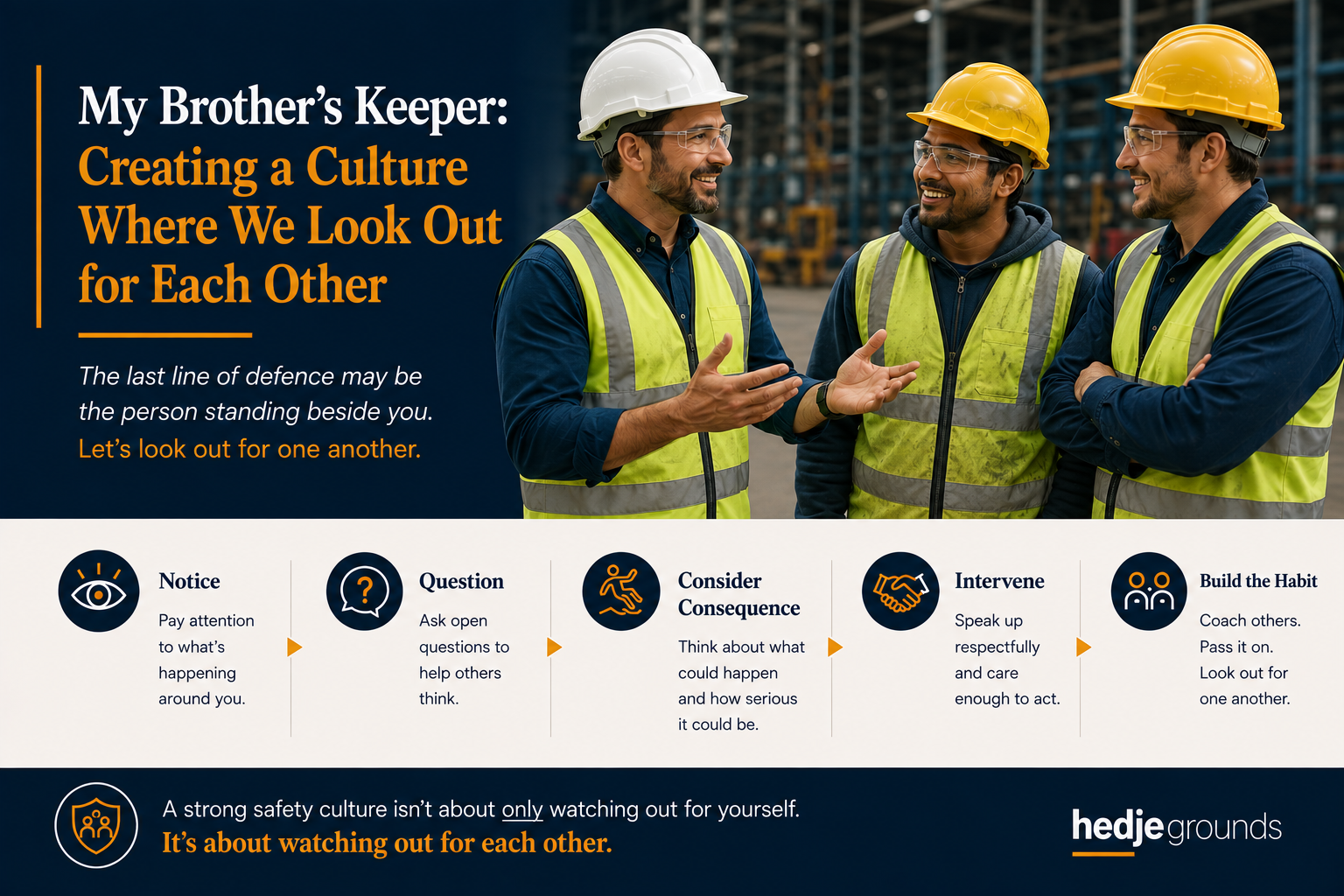
Aug 27, 2026 | By
A strong safety culture is built when people look out not only for themselves, but for one another. Safety coaching helps turn everyday observations and interventions into opportunities to build awareness, confidence and shared responsibility for safety.
Read More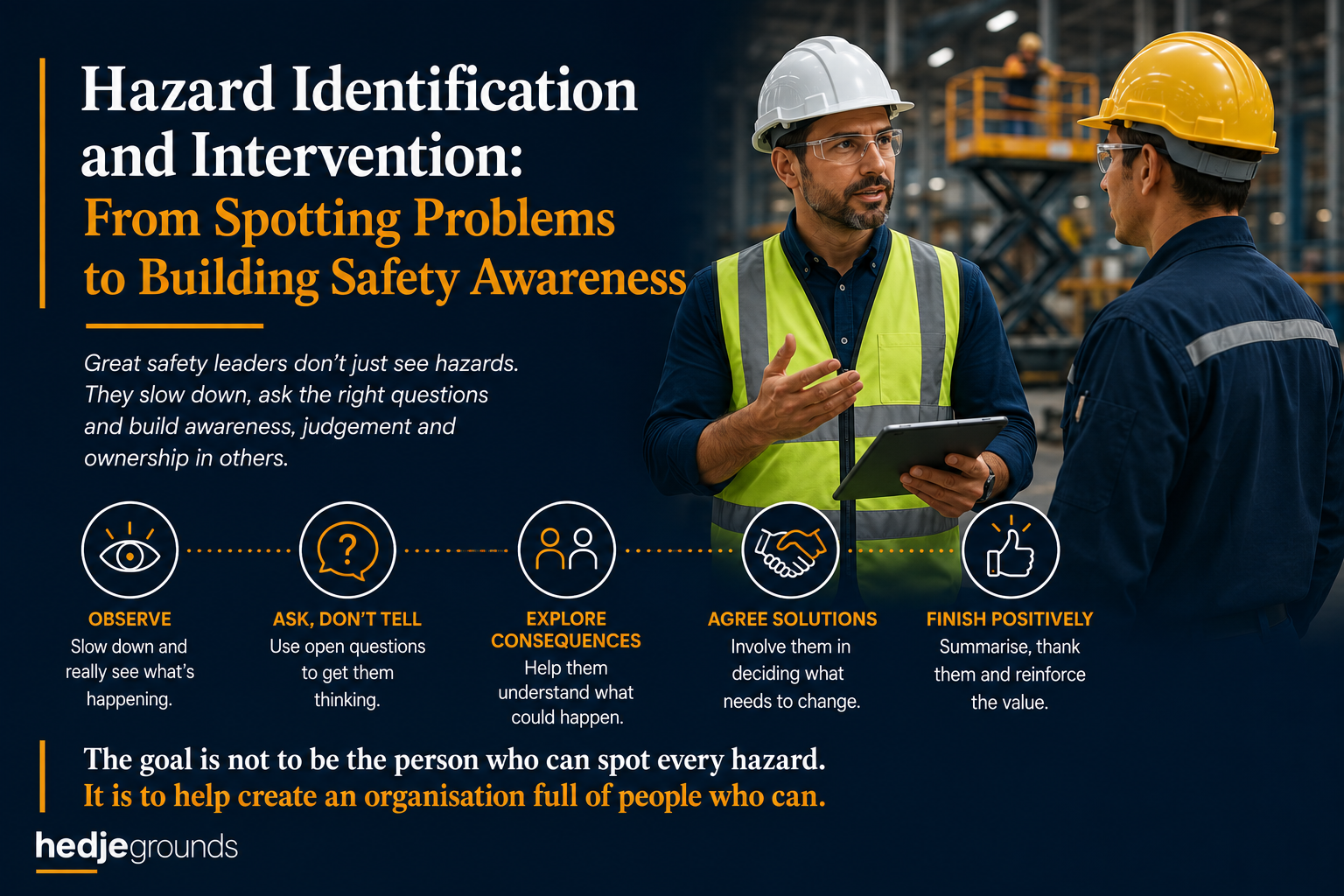
Aug 11, 2026 | By
Effective safety leadership is about more than spotting hazards. By slowing down, asking the right questions and helping people understand consequences and develop their own solutions, leaders can turn everyday safety interventions into opportunities for learning, ownership and stronger safety culture.
Read More